


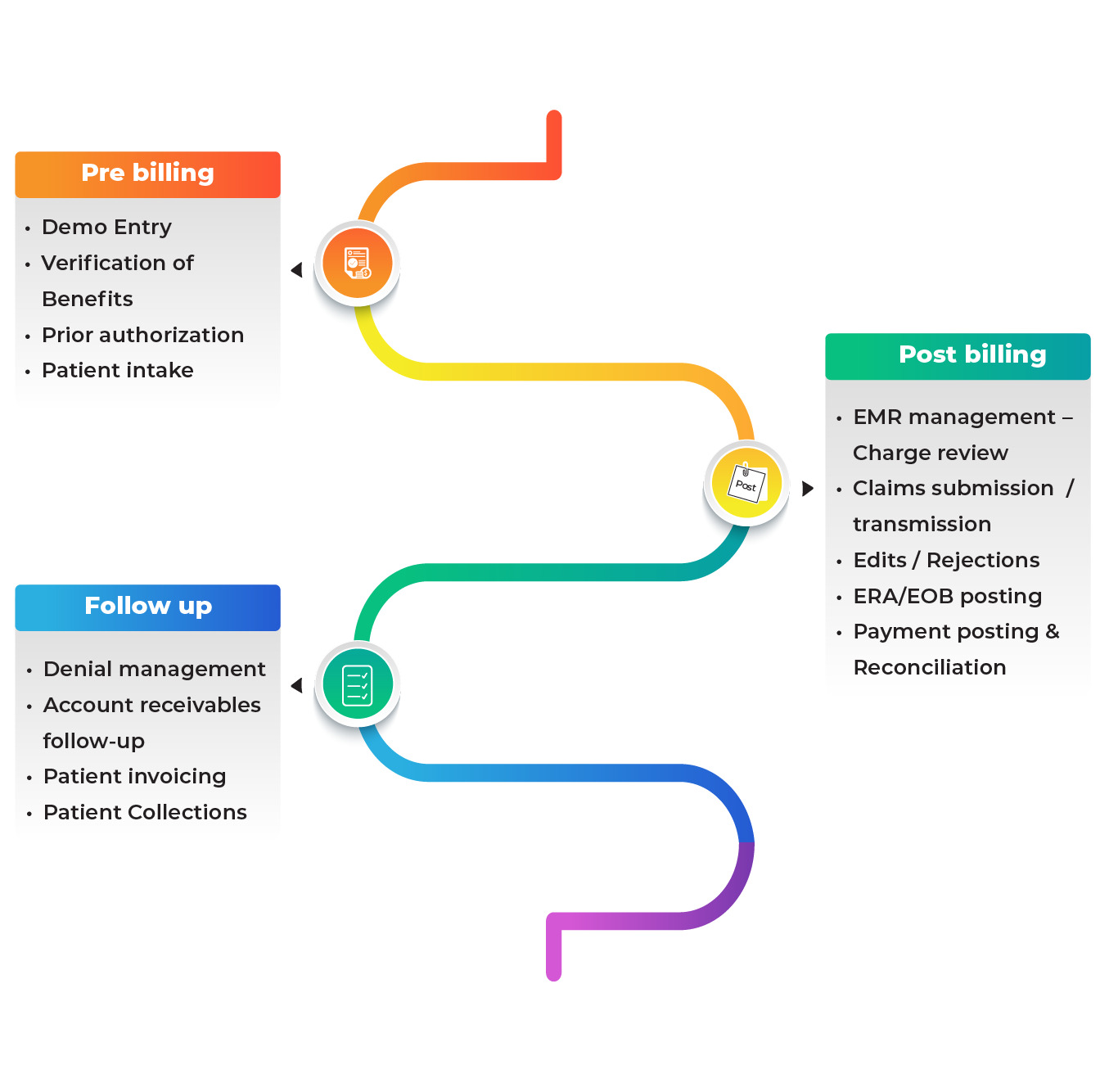
Common ABA Billing Compliance Requirements (HIPAA, CPT, and More)
ABA Therapy Billing involves sensitive patient data and complex coding procedures. To ensure accuracy, confidentiality, and compliance, providers and billing companies must adhere to several key regulatory and procedural standards. These include the Health Insurance Portability and Accountability Act (HIPAA), Current Procedural Terminology (CPT) codes, payer-specific requirements, and ethical billing practices. Below is a comprehensive overview of the most common ABA billing compliance requirements.
1. HIPAA Compliance (Health Insurance Portability and Accountability Act)
HIPAA is one of the most critical laws governing healthcare billing. It ensures the protection and confidentiality of patients’ health information during collection, processing, and transmission.
-
Protected Health Information (PHI): ABA providers must protect all patient data, including names, addresses, diagnostic information, and treatment records. PHI must only be shared with authorized parties and through secure channels.
-
Data Security: All electronic records, billing systems, and communications must be encrypted and stored securely. Access should be limited to authorized personnel only.
-
HIPAA Training: Every staff member involved in billing or patient care must undergo HIPAA training to understand privacy and security protocols.
-
Business Associate Agreements (BAA): When ABA providers work with billing companies or software vendors, they must have a signed BAA outlining each party’s responsibility in protecting PHI.
-
Secure Communication: Emails and claims submissions containing patient information must use HIPAA-compliant platforms to avoid data breaches and penalties.
Violations of HIPAA can lead to severe fines, legal action, and loss of trust from clients. Hence, maintaining HIPAA compliance is not only a legal necessity but also a professional obligation.
2. CPT Code Accuracy (Current Procedural Terminology)
ABA billing relies heavily on CPT codes, which identify the specific type of therapy service provided. Using incorrect codes can lead to claim denials, audits, or accusations of fraud.
-
Common ABA CPT Codes:
-
97151: Behavior identification assessment by a BCBA.
-
97153: Adaptive behavior treatment by a technician under supervision.
-
97155: Treatment modification by a BCBA.
-
97156: Family adaptive behavior treatment guidance.
-
97158: Group adaptive behavior treatment by a BCBA.
-
-
Documentation Requirements: Each code must be supported by detailed session notes, showing duration, activities performed, and the provider’s credentials.
-
Accurate Time Tracking: Many CPT codes are time-based, so documentation should clearly record start and end times for each session.
-
Supervision Rules: Billing must reflect correct supervision levels. For example, services by Registered Behavior Technicians (RBTs) under a BCBA must include supervision documentation.
Consistent auditing and cross-checking CPT code usage prevent underbilling or overbilling errors.
3. Medical Necessity and Documentation Compliance
Insurance payers only reimburse ABA services that are deemed medically necessary. Therefore, providers must ensure all documentation supports this requirement.
-
Treatment Plans: Each client must have an individualized treatment plan developed by a qualified BCBA, detailing measurable goals and data-driven progress tracking.
-
Progress Reports: Regular updates demonstrating progress toward goals are mandatory for continued authorization.
-
Accurate Session Notes: Every therapy session must have complete and contemporaneous documentation, including date, duration, interventions used, and client response.
-
Prior Authorization: Many payers require pre-approval before treatment begins. Providers should verify coverage and obtain authorization numbers.
Proper documentation not only ensures compliance but also supports ethical and transparent billing.
4. Ethical and Fraud Prevention Standards
ABA billing compliance also includes ethical standards designed to prevent fraudulent practices.
-
No Upcoding or Unbundling: Providers must not use higher-paying codes or bill separately for services that should be combined.
-
Avoid Duplicate Billing: Each session or service should be billed once per occurrence.
-
Credential Verification: Only licensed or certified professionals should bill for ABA services.
-
Audit Readiness: Providers should maintain complete and organized records for at least seven years, as insurance carriers and regulators may conduct random audits.
Ethical billing fosters trust with payers and families while safeguarding the organization’s reputation.
5. State and Payer-Specific Compliance
Each state and insurance payer may have additional ABA billing rules. Examples include:
-
State Medicaid programs with unique CPT modifiers or documentation formats.
-
Commercial insurance policies requiring session attendance verification.
-
Requirements for provider credentialing and National Provider Identifier (NPI) registration.
Providers must stay updated with changing payer policies to avoid denials and compliance risks.
Conclusion
ABA billing compliance is a multifaceted process involving federal regulations, accurate CPT coding, meticulous documentation, and ethical conduct. By following HIPAA rules, coding accurately, demonstrating medical necessity, and adhering to payer-specific guidelines, ABA providers and billing companies can ensure secure, transparent, and successful reimbursement processes. Ultimately, compliance not only minimizes legal risk but also reinforces trust with clients and insurers—building a sustainable foundation for ABA therapy practices.